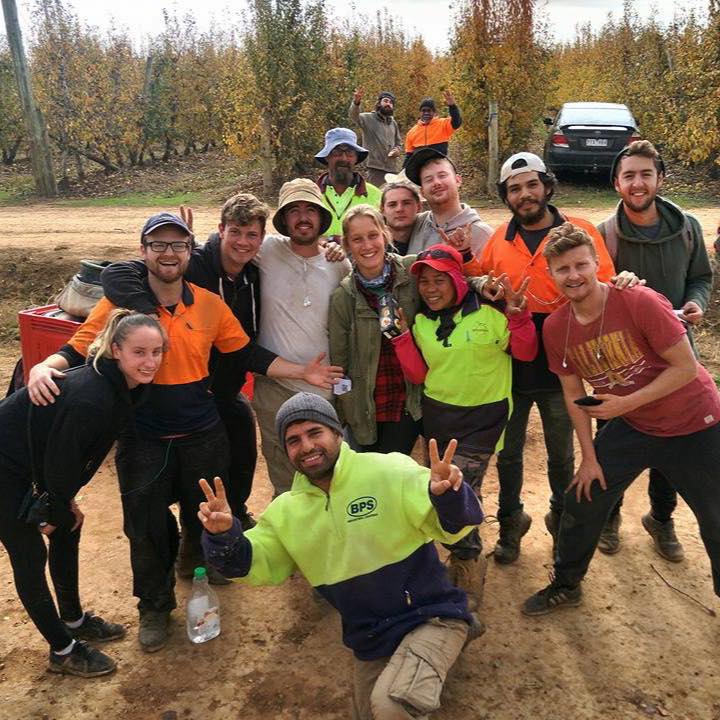
How to Make Great Money Picking Fruit/Vegetables

Every year 1000s of backpackers pick fruit in rural Australia to qualify for a 2nd year working holiday visa, getting these jobs isn’t so hard, but making good money is only achieved by few.

Which Fruit/Veg Makes Me the Most Money?

As a general rule, the more valuable each piece of fruit is the better the money. Avocado, mangos and capsicums often draw either high piece rates or hourly wage, when the farmer wants to protect his fruit he will compensate his workers. When the fruit is cheap, apples, wine grapes, citrus the farmers just want the crop picked as quickly as possible and will often pay very low rates to encourage pickers. You will find very different atmospheres depending on the produce, farmers are strict with more expensive fruit, pickers who don’t adhere to their rules will find themselves sent home without a job. The cheaper fruit however you can get away with most things, especially if you are fast, they will still have staff checking bins to make sure your fruit acceptable but they are normally pretty chill. My advice is to go for the more expensive produce, you’ll make more money and you’ll get greater satisfaction. If you want to spend your 88 days smoking fags and ripping the fruit off trees go for wine grapes, there are no rules there!

Who Not to Work For?

According to the Fair Work Ombudsman Harvest Trail Report 51% of producers in rural Australia use labour hire to some extent, basically these contractors take a cut of your pay for doing naff all. Old mate lives a life of luxury off your sweat, blood and tears these contractors are some of the most unscrupulous managers I have came across, set up often with the sole money making purpose of taking advantage of backpackers. Cloaked behind difficult to track social media profiles they rarely show themselves at the place of work, providing backpackers with just a first name and a phone number. Exploitation is their business, by the time the authorities are made aware the contractor has long disappeared. Examples of their practices include:

  • Fake payslips produced as they avoid taxation
  • Fake superannuation funds, 9% of the workers wage goes straight into their offshore account rather than into a real fund
  • Illegal underpayment of wages

Don’t work for these dodgy geezers! They steal 20% of your wages, go directly to the farm and cut out these dodgy middlemen.

But James How Do I Pick Quick?

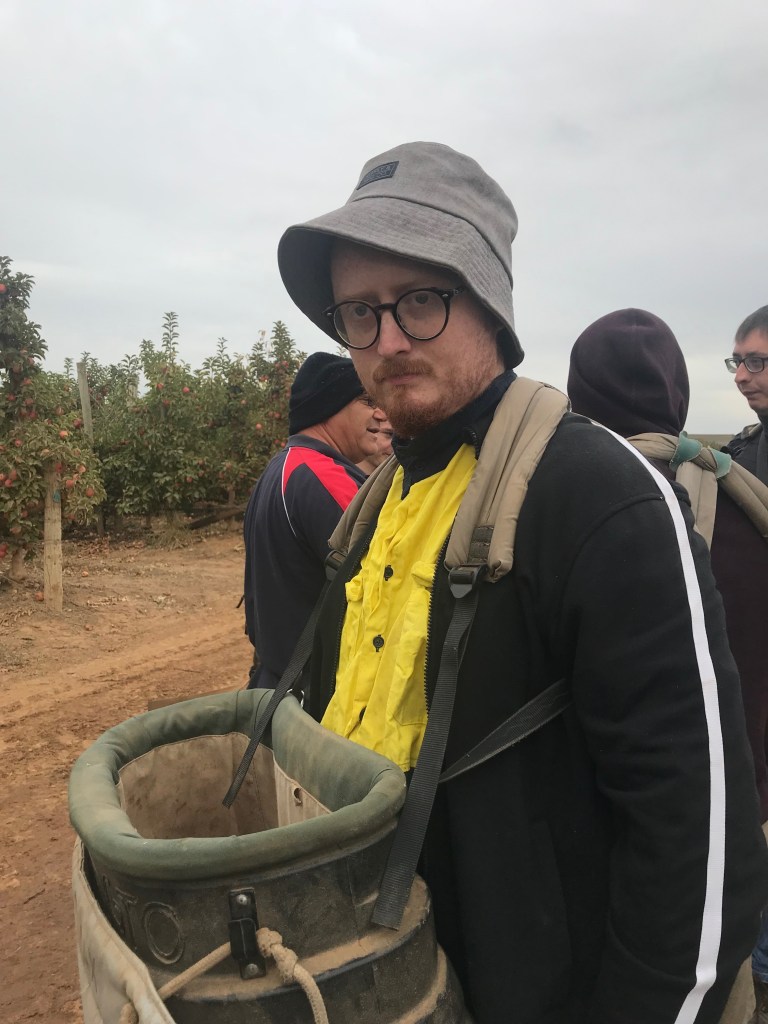
My first advice would be get the right gear, long sleeve everything, bucket hat, thin gloves, boots you’ve got faith in, the last thing you want is sunstroke and sore feet. Its Australia, theres insects you don’t want on your skin and being fully covered will give you the confidence to dive into the bush, forget your worries, you’re here to make money. For this section I’ve called in some professional advice, my dear friend Tongan (Real name unknown) has some pointers:

  • Practice, it takes time to master a skill
  • Be ruthless
  • CHEAT
  • CHEAT SOME MORE

Ok so Tongan didn’t really give me this advice, he told me that remembering which rows have the best fruit from the year before is his tactic, but thats bloody useless. Watching Tongan pick revealed to me why he makes $40 an hour, hes a beast! Relentless concentration hour after hour, built on 15 years of experience he plucks fruit from the tree with power and accuracy, watching Tongan makes me believe machine will never fully replace man.

Myself being bang average I can actually give some good hints on how out picked my friends day after day, let me tell you there is no greater show of manliness than picking more grapes than your mates. You have to be sly, if it feels like you are being sneaky then its probably a good move. During my days as a professional grape picker:

  • I switched rows whenever my vines had crap fruit
  • I moved ahead of the other pickers and took fruit from both sides
  • I ripped grapes off the vines, stems, leaves the lot
  • For every bucket we picked they would give us a token, I used lie about how many I had and then throw them into the pile before the farmer could check
  • I would bribe the bucket boys with food so they would give me extra tokens

So the truth is picking fruit is a major shit show, be ruthless and don’t get caught being sly!
Is Picking the Right Job for Me?

Probably not, picking is a skill and like any skill it takes time to improve. At best you will scrape minimum wage and most likely you won’t even get close, farmers are crafty and they underpay everyone. Plus the hours are crap, if it rains you can’t work and the jobs often dangerous. Sign up to The 88th Day and we will get you a nice indoor job in a factory, paying an hourly wage with reliable hours.


Myth-busting Farm Work in Australia

35 Hours is the Minimum Hours Required in a Week to Count 7 Days – MYTH

There is often a lot of confusion around hours worked and days counted in a week, 35 hours is regarded as the minimum required to obtain a full working week be granted 7 days work. Immigration denies there is any cut off at all, they claim that as long as the employer views the work your completing as full time all 7 days in a week will count. I see no reason why a 30 hour week of working 6 hours a day Monday to Friday cannot be counted as 7 days if this is the industry standard for this role. Check out the Home Affairs website where it depicts an example of someone working 30 hours a week for 6 months is granted a third year visa. If this general rule is followed the work can be completed over multiple sessions on different farms around Australia.

https://immi.homeaffairs.gov.au/visas/getting-a-visa/visa-listing/work-holiday-417/specified-work

Below we have quoted information we have received from Gale Lalor, Acting Assistant Secretary, Immigration and Citizen Services Group. To sum up what she is saying, effectively if your employer believes you are working full time for them, then there is no minimum hours for a full day.

“To meet the three months’ specified work requirement, applicants must work for the same number of days that a full-time employee in that job would normally work in a three month (88 calendar day) period. Note that the work does not have to be full time, or be performed in a continuous period.

All WHV workers, not just those working full time, can count rest days as part of the 88 calendar days. Put simply, in most circumstances, applicants can include two notional rest days in the 88 calendar days for every five days worked.

The department recognises that there is a range of circumstances affecting what constitutes a normal full day in each eligible industry, especially in the agricultural industries. For this reason, the policy does not prescribe the minimum hours for a normal or ‘full’ day.

As a general guide, if the employer reasonably considers that an applicant has completed a normal full day of work for that industry, then the departmental decision maker may be generally be satisfied to count that day of work toward the three months requirement. Note that in relation to piecework, special provisions apply. Provided the working holiday maker is on a valid piecework agreement, and submits a copy with their visa application, then any day on which they have worked and been paid will be counted as a day.”

Visit our “Complete Guide to Farm Work in Australia” for more info.

Paying For a Job in Australia is Illegal – MYTH

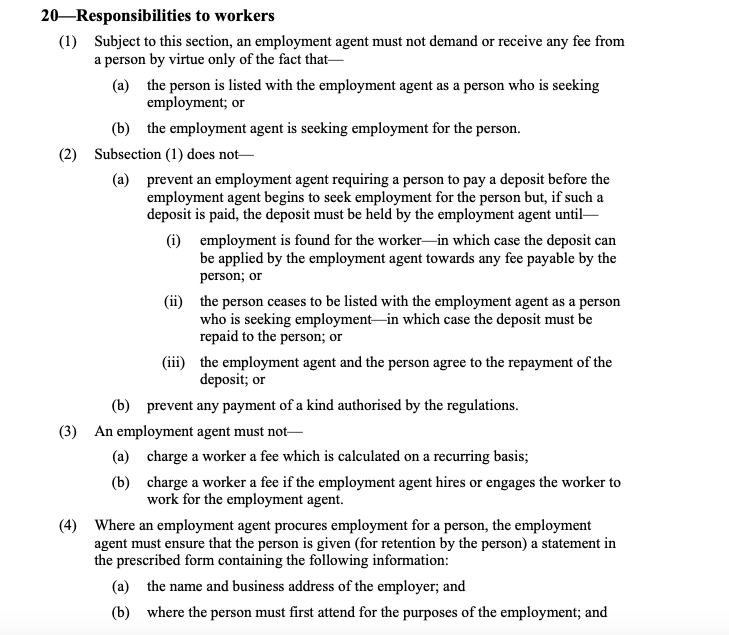
This myth is repeated all over social media, especially by European backpackers. EU law is different and paying for a job is illegal. Here in Australia however that isn’t the case, while there are laws restricting recurring payments and taking payments before the job is secured in general there is no law against employment agencies charging workers for jobs. The legislation is available here and the relevant part I will post below.

Can I only pick fruit? – MYTH

By far the most popular job role to obtain a second or third year visa in Australia is fruit picking, this is by no means the only job role that satisfies the specified regional work, there is just a hell of a lot of fruit that needs to be picked in Australia. Other jobs include feeding and herding cattle, construction, landscaping plus many more so check out the Home Affairs website for all the details. Be wary of geographical location as this can have an impact on the whether the job is eligible or not, it has to count as a rural area, get all the details on the Home Affairs website.

https://immi.homeaffairs.gov.au/visas/getting-a-visa/visa-listing/work-holiday-417/specified-work

Accommodation Included – Rarely True

If you’re lucky some jobs will come hand in hand with accommodation which will solve many of your problems, however really only the case if you’re working on smaller farms in particularly rural areas. There is a fairly large number of working hostels that offer jobs on local farms on arrival, but this is often expensive for what you’re getting, but sorts a job and place to live nonetheless. These are often are situated in the areas where a large number of jobs are offered in peak seasons for fruit and vegetable related jobs.

88 Days Will Only Take 3 Months – Partially True

The things that catches a huge number of people out is thinking they can complete 88 days of farm in 3 months, in reality this is far from the truth. This can be the case if you are extremely fortunate, however always factor in extra time to allow for travel, the job to start of unexpected days off. In some job roles such as fruit picking, significant delays can occur if fruit isn’t ripe or the weather isn’t right, so to be on the safe side get cracking with your farm work earlier than you think. 

I Can’t Get Fired from Farm Work – Huh?.. Nah

Lastly, when you secure a job you might think your 88 days are in the bag, it’s just a matter of time. Again this is definitely not true, don’t forget you are doing a job and getting paid for it by someone for which this farm work is their livelihood so will not keep you on if you perform lower than their expectations. You could end up fired before you know and then you’re back to square one looking for a job!

Always keep your wits about you when completing your 88 days, be aware of what is happening around you and always watch out for scammers!  

Buying a Backpacking Car in Australia

Without a doubt one of the best decisions I made when coming to Australia was to buy a car, yes, it costs money, can be hassle, takes up time and effort but seriously it’s all worth it! If you have the money to spend and are willing to put in the effort, it can revolutionise your experience Down Under, let me explain why and give you some tips to help you on your way.

If you want to see all of Australia far and wide then what can compare to doing it all under your own steam with the freedom and fun of your own vehicle! Who doesn’t love a road trip? You can fly to a lot of places, but that often works out being expensive and then you end up missing half the experience of travelling in Australia. I found lots of the good times and excitement was in the journey! The Australians have got one of the worst train networks I have ever seen, it’s practically non-existent as it seems to be more expensive than flying and slower than driving! The only remaining option is a long-distance bus or coach journey, but where’s the freedom and fun in that? I would say a bus/coach is only worth it if you’re in Australia for a short amount of time and looking to book on to an all-inclusive trip up the east coast. But what you see and what you get for the cost of these tours is not comparable to doing it in your own car, and the difference in cost of the tour company bus ticket and a used car is closer than you might think.

I’ve lived in most corners of Australia, metropolitan or rural, and my car has been with me every step of the way. Every time I want to move places I just pack the car up and go! The benefits of a car are endless, you’re not restricted to a suitcase every time you go somewhere new, all the extra gear you acquire on your travels can be kept until when you need it again! I’m talking tents, camping chairs, duvets, pillows, TV’s, whatever it is it can come along for the ride with you and if you’re lucky your travel companions too.

Having some mates to split the cost of a car with is the most ideal situation to be in, then an investment of $1000 each when there is 3 or 4 of you can get you a pretty decent ride! Then all the running costs such as fuel, insurance and registration can be split as well making it easier for everyone. Then the next thing you find out is that an 8 hour drive is a breeze if there’s a few of you sharing the load!

In order for your newest 4-wheeled prized possession to be road legal it requires to be registered and at least have third party insurance, let me explain. The registration is what relates the car to the owner and to the state it is licensed, it costs in the region of $195 every 3 months however that can vary depending on the type of vehicle and the term of registration. Third party insurance is necessary as a minimum, it basically means the cost of the damage to someone else’s vehicle is covered in the case of an accident that is your fault, and all you have to cover is an excess payment (often $250 or $500 depending on your insurer and insurance plan). This is a legal requirement so if you’re in an accident that isn’t your fault the cost of the repairs on your car will be covered by the other individual’s insurance. This is to protect drivers on the road as repair costs can often escalate to much more than people can afford. There are many insurers across Australia, but it is important to do your research as some only cover the car in the state of registration, which is no good if you plan on travelling far and wide. From experience AAMI is great for all-round value (approx. $30/month) and you are covered country wide.

The Royal Automobile Association (RAA) is the national emergency breakdown service, and is highly recommended, if your car (as trusty as it may seem) has an issue in the middle of The Outback (or anywhere) it can be very expensive to get it towed back to a recovery centre. To avoid these costs then you need to be a member of the RAA, basic plans are in the region of $10-$15/month and is definitely worth it, especially if you’re looking to buy a car on the cheap!

Now, when it comes to buying a used car in Australia the options are limitless so here’s a few things to look out for and to bear in mind when on the search. A reasonable budget for initial cost I would say is somewhere in the $2k-$5k price bracket. This way you should avoid a car that needs to you take out a mortgage to pay for, and also avoid one that will fall apart 500m down the road. I know someone that paid $700 for a car and it broke down within an hour of driving, true story! However, you could spend $1k and it be your dream car and it lasts another lifetime, that is just the lottery of buying used cars!

I’m not a mechanic and if you’re reading this I take it neither are you! But before buying a car try to give it a good look over, inside, outside and underneath, ask to see details of recent services as this will give the best indication of what state the car is in or how well it has been looked after by previous owners. To fit into the budget I mentioned, you’re likely to be looking at cars with a very large number on the odometer, 240,000km to 310,000km is probably the sweet spot, much over 350,000km then inevitably the car won’t have much more to give! Take it for a test drive, check to see if the electrics work, the brakes feel good, listen to the engine (keep the radio off) as this is the best way to see what you’re getting for your money. If you have a mechanic mate then great, take them along to view the car, but unfortunately this is all the help I can give! From experience I have had great success/value for money when buying Japanese cars (Honda and Subaru more specifically) that are from 1996-2003. A top tip is to keep an eye out when on the road to see what the older cars are you still see regularly as these will be the trusty and reliable ones!

I can offer a better insight into what sort of car/vehicle you should get on your travels around Australia. 4WD can come in handy but is definitely not essential, 4WD’s often offer lots of space which is more essential as you can then fill it with people and luggage! People carrier’s and estate cars are often great for having lots of space, otherwise keep an eye out for a car with a roof rack as very useful for gaining extra space. If you’re feeling really creative and want to go full nomad then the converted minivans are the one, this way your travel and accommodation is sorted wherever you go!

Lastly, keep an eye on backpacker Facebook groups as there is often people leaving Australia and looking to sell on their much-loved cars and minivans, just keep in mind what I’ve mentioned previously! Now enjoy the travelling with all the freedom you desire!

If you’d like to read more tips on travelling and working in Australia, check out my Complete Guide to Farm Work in Australia

Everything We Know About How Immigration Calculates Your Farm Days.

One of the great mysteries and sources of the most speculation when you’re completing your 88 days farm work is exactly how many of your farm work days will count. Rumours of a 35 hour cut off mark are rife throughout rural Australia as backpackers struggle to make the holy grail of a 7 day week. Here at The 88th Day we are in a fortunate position of being able to communicate with immigration and we have a few discoveries to share with the working holiday visa makers of Australia.

What is Specified Work?

The majority of this information can be found here https://immi.homeaffairs.gov.au/visas/getting-a-visa/visa-listing/work-holiday-417/specified-work

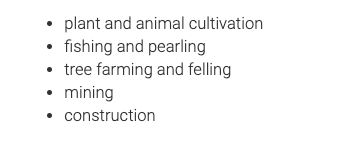
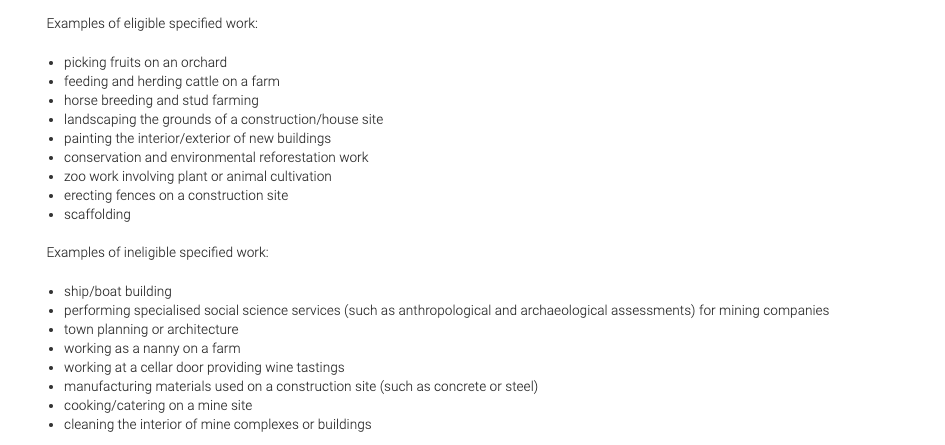
These are the main areas of specified work, Immigration expands further on these areas in the link above, you will find the list is fairly extensive. Below we have listed some examples of what the government views as eligible work and also what it does not.

Now there is a theme to these examples, primary work involving plant or animal cultivation is clearly eligible, however just working in this industry is not enough. Being a nanny on a farm isn’t enough, nor is providing wine tastings in a cellar door. Effectively the work must be related to the industry you are in, admin will not count, nor will doing the books for a mining company.

All that being said, we don’t necessarily believe this is how things always work out when Immigration are assessing your application. Take the cellar door example, if you are working in the winery standing on grapes during the weekdays and on the weekends you are doing shifts in the cellar door, how will Immigration know? The primary evidence Immigration uses is your payslips, unless the payslip actually asserts that you work in the cellar door its our belief they will grant your application. The same actually goes for almost all industries, especially smaller businesses where you may be taking on multiple roles, speak to your employer and make sure the job title on the payslip is the one you need. Many employers don’t even specify a role on your payslip, if this is the case and you are working for a business with an eligible ABN then we believe Immigration will grant your visa no matter what you were actually doing.

What Counts as Rural?

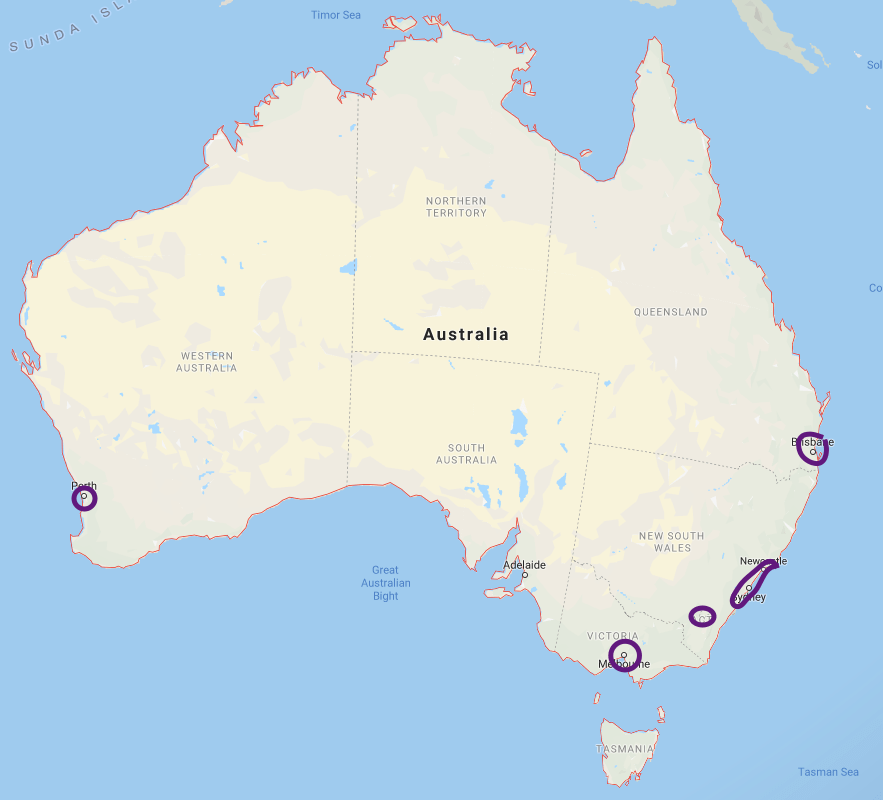
The circled areas are ineligible and count as Urban

You can find the precise postcodes that count at the bottom of this page https://immi.homeaffairs.gov.au/visas/getting-a-visa/visa-listing/work-holiday-417/specified-work

In simple terms Sydney, Newcastle, Wollongong and The Central Coast are all ineligible in NSW. The whole of ACT is ineligible, Brisbane and Gold Coast in Queensland. The urban area surrounding Melbourne in Victoria and the urban area surrounding Perth in WA. As a general rule, if you drive for an hour outside of the city, you’re probably safe. Anywhere else in the massive country of Australia and you’re good.

How do Immigration Calculate the Days?

This is probably the most contentious aspect of the government documentation and a quick disclaimer, our information is not official but we believe it is reliable and hopefully it helps settle a few minds.

Firstly Immigration don’t want to comment on whether there is a structure they are given to calculate days. We believe there must be one, how strongly it’s enforced, simply we don’t know. What we do know though is their bottom limit for a full time job is around 30 hours. Taken from the Immi website

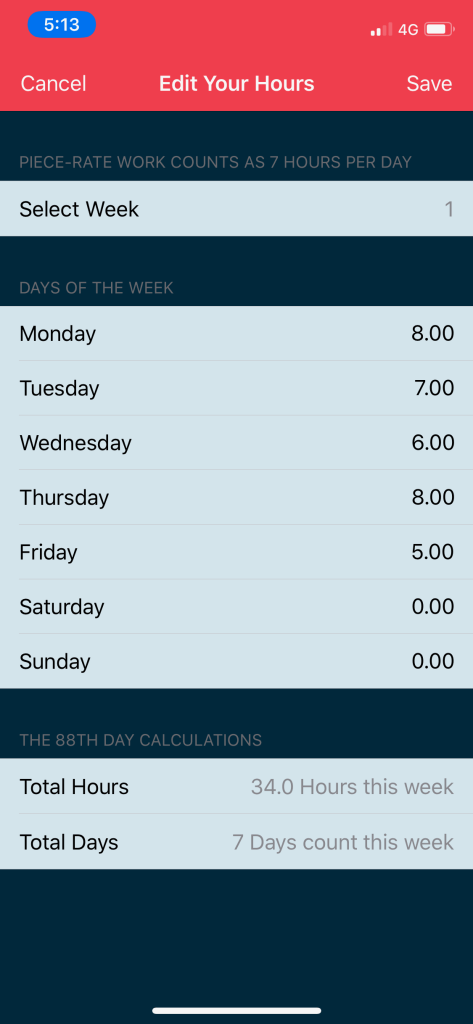
The example here states Maria works 30 hours a week for 6 months and she is granted the 3rd year visa. This is likely the minimum hours the Gov will accept but we do believe there is some leeway. From this we think the Immigration day counting structure looks like this:

6 hours =< weekly hours < 12 hours = 1 day
12 hours =< weekly hours < 18 hours = 2 days
18 hours =< weekly hours < 24 hours = 3 days
24 hours =< weekly hours < 30 hours = 4 days
30 hours =< weekly hours = 7 days

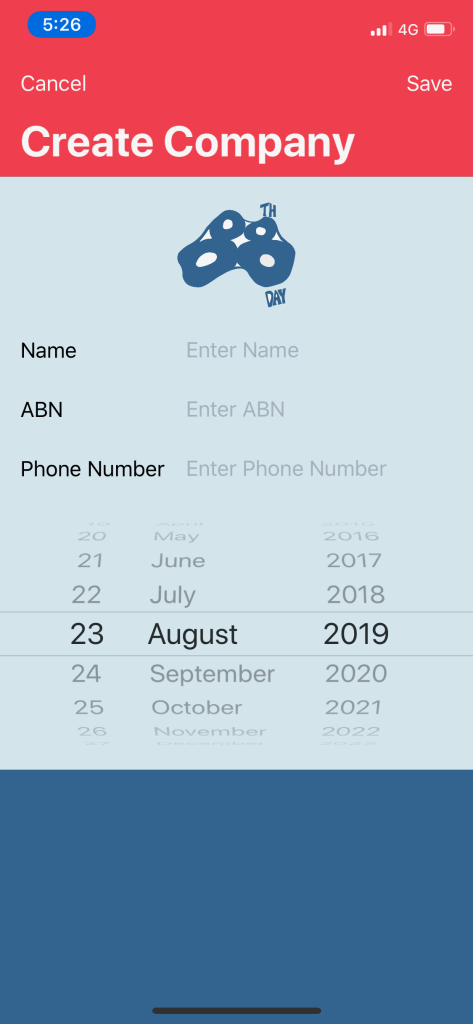
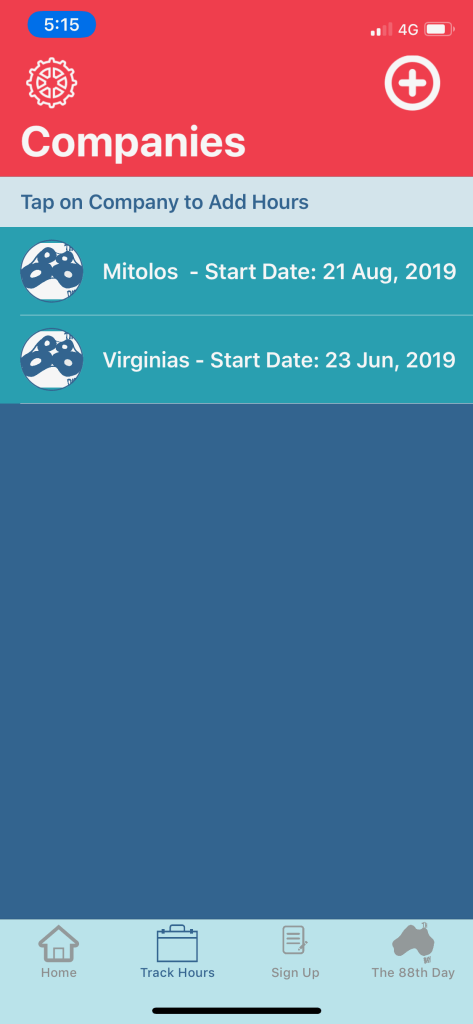
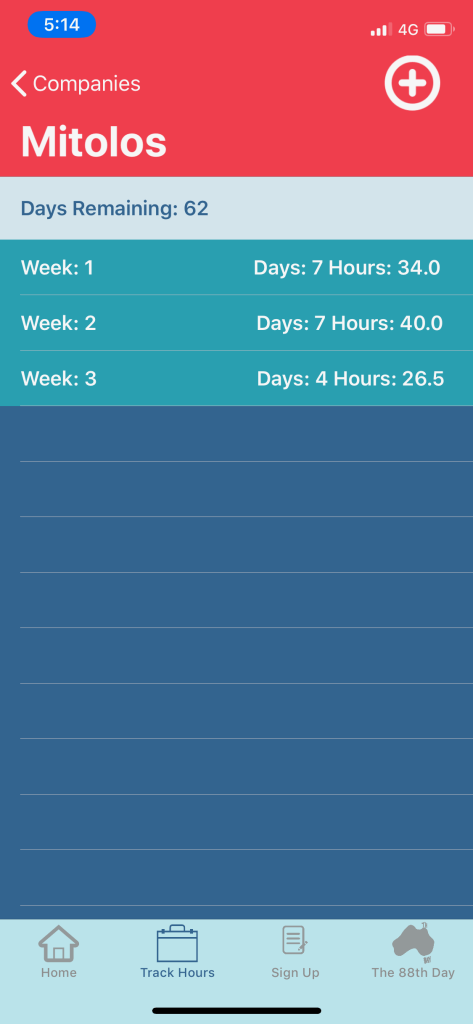
The 88th Day have built an app for IOS that will do these calculations for you as well as save your data week by week and give you a precise figure of how many days you have remaining. Find us on the app store.

The 88th Day app uses Apples Core Data to keep hold of all your records on your device for however many companies you work for, however long it takes you.

Piece-Rate Agreements

The final piece of the puzzle is has by far the most grey areas. According to immigration, for work to be counted as the full 7 days you need to work the same hours as you would if you are working hourly.

However we think its very unlikely Immigration have any idea how many hours you are actually working on a piece-rate agreement. Most payslips, the primary evidence Immigration uses, will only declare the weight of fruit the worker picked and the amount they were paid. No mention of days worked or hours worked are likely to be on these payslips. Basically we believe as long as you are being paid around $350 a week or more, you will have your visa granted. As long as the number of days you worked isn’t clearly stated as less than 5, you can always take the position that you were working full time, but unfortunately you were a slow picker.

How Certain Are We?

This is not an exact science, the regulation is deliberately unclear, the Government of Australia has introduced this programme for one reason and it states it here in the 2017 Ombudsman Report into the Working Holiday Visa.

“The 417 visa has introduced an uncapped labour source into the Australian market that fills a low-skill labour gap in the domestic workforce, particularly the specified work requirement of the 417 visa program which fills the labour shortage associated with food production in regional and rural areas”

The reason we are all doing this specified work is because the government couldn’t get Australians to do this particular type of work, as long as the work is done and the government get their visa fees they don’t really care too much about the specifics of individual cases. Many visa applications are automatically accepted and even when investigations take place, normally only a sample of evidence is asked for.

My final advice to you is this, do as many hours per week as you can, but don’t get overly hung up if you’re not always getting 30 hours a week. If time runs out and our calculator says you haven’t quite got the 88 days yet, do not worry. We think as long as you have 13 payslips, the likelihood is your application will still be granted.

Finally if all this is making you feel extra nervous about getting your days, sign up to our service and we will make sure you get a good hourly job with reliable hours.

Correspondence with Immigration

Below we have quoted information we have received from Gale Lalor, Acting Assistant Secretary, Immigration and Citizen Services Group. To sum up what she is saying, effectively if your employer believes you are working full time for them, then there is no minimum hours for a full day.

“To meet the three months’ specified work requirement, applicants must work for the same number of days that a full-time employee in that job would normally work in a three month (88 calendar day) period. Note that the work does not have to be full time, or be performed in a continuous period.

All WHM workers, not just those working full time, can count rest days as part of the 88 calendar days. Put simply, in most circumstances, applicants can include two notional rest days in the 88 calendar days for every five days worked.

The department recognises that there is a range of circumstances affecting what constitutes a normal full day in each eligible industry, especially in the agricultural industries. For this reason, the policy does not prescribe the minimum hours for a normal or ‘full’ day.

As a general guide, if the employer reasonably considers that an applicant has completed a normal full day of work for that industry, then the departmental decision maker may be generally be satisfied to count that day of work toward the three months’ requirement. Note that in relation to piecework, special provisions apply. Provided the working holiday maker is on a valid piecework agreement, and submits a copy with their visa application, then any day on which they have worked and been paid will be counted as a day.”

Is it worth doing 6 months farm work for a 3rd year visa?

So you’re coming up to halfway through your 2nd year visa and the idea of leaving Australia in just 6 months is unimaginable. But is it worth sacrificing half of your year in rural Australia just for one more year? Often the original 88 days is too much for many backpackers, in 2017 over 90000 backpackers attempted to do rural work, however less than 35000 were granted a 2nd year visa.

If you’re a European backpacker like myself who has spent their entire life in cities, the original 88 days was very painful. Living so far away from civilisation, crap pay and very unreliable hours, there is no motivation to put myself through that experience again.

However not all 88 days are made equal! If you could earn good hourly pay with reliable hours maybe it would be worth it? Thats what The 88th Day is attempting to deliver. With all our jobs based around Adelaide, you’re not far from civilisation at all, plus with hourly pay and reliable hours all combined with the cheap rental rates in Adelaide. You can start your 3rd year with plenty of money and a great experience behind you!

Where to Spend the Rest of Your Time in Australia

Hopefully after finishing your farm work with The 88th Day you have saved plenty of money to travel the delights of Australia, its fair to say I’ve lived in the best bits myself. Here are my top tips for you.

Hamilton Island/Airlie Beach – If you finish your farm work during the depths of the Australian winter, we recommend you leave the cold behind and head north. The Whitsundays is an incredible location and offers a unique lifestyle, if you’re looking to save money and live in a tropical paradise, while spending your days off whale watching and lazing around on the beach, why not apply for a job on Hamilton Island? If it’s a party you’re after, Airlie Beach offers all of the same beauty as Hamilton Island, but the nightlife is on a completely different level!

Byron Bay/Gold Coast – The climate here is very attractive all year round, this fabulous spot on the East Coast offers so much. Byron can certainly stake a claim for the most hipster spot in Australia, truly an international town with an eclectic vibe. Byron has it all, the only downside may be finding long-term accommodation can be challenging and in terms of finding work, hospitality is the major employer in this town. If you are looking for a lot less hipster and a lot more tattoos then give the Gold Coast a try, beautiful beaches and the nights out certainly are memorable.

Melbourne – If you are looking to live in a major metropolis Melbourne is in the top tier worldwide.  Topping the polls for most livable city anywhere on Earth time and time again. Melbourne you will find is full of fellow backpackers all around, but there is certainly a concentration in St. Kilda south of the city, not everyone’s cup of tea it must be said. Melbourne boasts sensational cuisine and a big nightlife; personally I have spent many a great evening in the suburb of Prahran, I highly recommend you try it. The jobs here can pay exceptionally well, look for a 9-5 and make the most of your weekends.  Move here in the Spring and leave in the Autumn, the weather is near perfect during that period, less so in the winter.

Sydney – What needs to be said, the iconic city is the headline grabber for most tourists travelling to Australia. It certainly must be seen and it has some advantages over Melbourne, the beaches are far superior and the architecture is stunning.  Work pays extremely well in the city but rent can be very pricey. There is certainly a huge number of backpackers set up in Sydney and during the Summer months it appears that the city is one big party. It’s a tough choice between Melbourne and Sydney so I’ll let you make that call.

Saving Money During Your Farm Work

Hourly Paid Work – Without doubt the easiest way to save money is through reliable hourly work, the high minimum wage in Australia means most of these jobs pay over $800 a week. Contact The 88th Day if you’d like one, it’s our specialty.

Piece Rate Work – This work refers to the payment scheme used by many farms, paying workers by the weight of product they pick. Make no mistake some workers make great money, however the majority doesn’t.  Farmers regularly skew the system, so only the top 25% of workers make minimum wage. This top 25% of workers are rarely backpackers and almost always experienced pickers who have made careers out of picking fruit. Be honest with yourselves, do you think you’re going to be faster than a 35 year old Tongan with 20 years experience.

Another factor to consider is that piece-rate work is outside 99% of the time and work relies on the weather. If it rains you’re not working, fruits not ripe? You’re not working. Harvests are unpredictable and work is not evenly spread. Piece –rate work will get you days, but its unlikely to save you much money

Freebies  – Make the most of the goodies from work, many farms and factories will have excess stock, take advantage! Who turns their noses up at free food and wine?

Cook Communally at Home – Whether you’re in one of our share houses or living in a hostel, cooking at home as a group is a great way to count the pennies. Backpackers come from all over the world, encourage everyone to show off their skills in the kitchen

Goon/Hollandia – Ok, we aren’t advocating for binge drinking. But jeez this is a cheap way to get drunk.

Ride Sharing – Help the team out! Not everyone has cars and splitting the petrol costs such a simple way to count the cents.

Things to be Aware of During Farm Work

Be on your toes – Always be prepared to take better roles if they are offered to you, many farms will have both piece rate work and hourly paid jobs. If an hourly paid job becomes available be the first to speak to your farmer about it

Keep an ear out for news on the farm – Things can change quickly when it comes to harvesting fruit and veg. Often its not in the farmers interests to inform the staff that the season is coming to an end. Listen to your fellow workers and don’t be afraid to ask questions.

Be willing to get in the car and leave – Don’t get stuck in a working hostel paying $200 a week, staying in a room with 20 other backpackers if you’re barely working 10 hours a week. Remember it speeds up the process massively if you’re working full time and those jobs are out there. Sign up to The 88th Day and we will help you make the change.

Stand together with your fellow backpackers – Farmers have proven time and time again they don’t always have backpackers interests at heart. Stand up for each other, backpackers may come from all over the world but we are all connected through this process.

How to keep yourself entertained during Farm Work

Maybe these 3 months aren’t quite how you imagined pending your time in Australia, however that doesn’t mean they can’t be a fantastic few months.

Day Trips – It may feel like you are in the middle of nowhere but that doesn’t mean there aren’t great activities within driving distance. Make the most of your weekends and your hard earned cash; rural Australia has world-class beaches and landscapes, take a drive!

Explore local produce – Many of our jobs are located close to top draw wineries, cheese and chocolate producers, not a bad way to spend a Sunday afternoon.

In house Entertainment – Head to the nearest charity shop/reject store and pick up some old fashioned entertainment. Board games, cards (learn to play shithead) and books are all great ways to spend your time on weeknights. If you’re staying with The 88th Day, give our accommodation team a ring and they will be happy to pick you up a few things, we love adding items to our share houses!

Exercise – Maybe this isn’t the entertainment everybody’s looking for, but the truth is the 88 days you spend farming is a great time to get fit. Local teams are always looking for extra bodies and most towns will have reasonably priced gyms.

How to find accommodation whilst doing specified work

Securing a job through a working hostel can have its benefits, such as accommodation being secured as well, however more often than not you are paying a lot in rent for accommodation with very few amenities whilst being crammed full of bunk beds! But more often than not it is the most viable option and it’s always very social as there’s a lot of backpackers all doing the same!

Otherwise if you have a bigger budget then private rental is a possibility through either lease agreements (6 months minimum) or Airbnb, but expect to pay quite a bit more!

The other end of the spectrum is finding a local campground to pitch a tent, or if you’re travelling in style then a campervan or converted mini van will do the trick! If this is the case find a local gym to join and make use of the showers when you can to maintain a relative degree of hygiene!

The 88th Day can offer help and assistance with regards to accommodation so if you do get stuck then don’t hesitate to get in contact!

Design a site like this with WordPress.com
Get started